
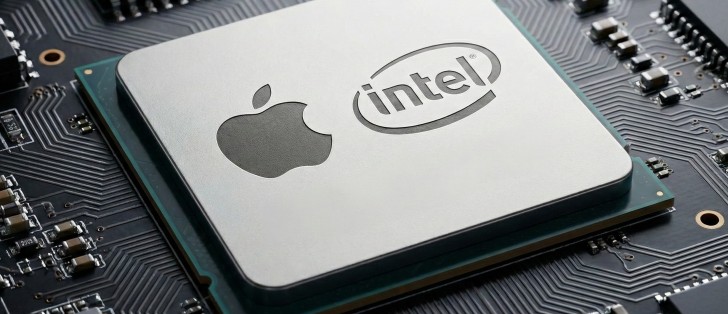

Intel has unveiled its latest AI accelerator lineup, targeting high-performance training and inference workloads traditionally dominated by Nvidia and AMD. These chips leverage specialized tensor cores and advanced memory architectures to accelerate machine learning tasks while maintaining compatibility with existing AI frameworks. Intel’s strategy combines silicon optimization with software ecosystem integration, reflecting a holistic approach to AI infrastructure.
While promising on paper, Intel faces significant hurdles. Competing against Nvidia’s mature CUDA ecosystem and AMD’s recent gains in AI-capable GPUs requires aggressive adoption incentives and robust support for developers. Early benchmarks indicate strong raw performance, but market penetration will depend on partnerships with cloud providers, research institutions, and enterprise AI clients.
Intel’s AI accelerator rollout also reflects broader industry dynamics. As AI workloads grow more complex, demand for specialized processing units continues to rise. Intel aims to leverage its manufacturing scale and legacy hardware integration to carve a competitive niche, but adoption speed and ecosystem support will ultimately define its success.
