
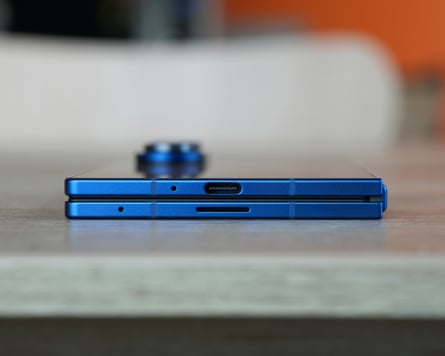

Foldable smartphones entered the market with curiosity, but early versions faced criticism for fragility and high cost. Today, the story is shifting. Manufacturers have improved hinge engineering, used more flexible glass materials, and optimized software for dual-screen interaction. The result is a new wave of foldables that feel less experimental and more practical.
Modern foldables offer enhanced multitasking — users can edit documents, watch videos and chat side-by-side with tablet-level space in a pocket form factor. Creators are embracing foldables for content preview and quick editing. Gamers enjoy immersive wider displays. Professionals benefit from split-view productivity without carrying a laptop.
Prices are slowly dropping as competition increases, and mid-range foldables are beginning to emerge. In a few years, the folding form factor may shift from premium niche to mainstream default — just as large displays did years ago.
The smartphone race is no longer about screen resolution — it’s about how the screen behaves.
