
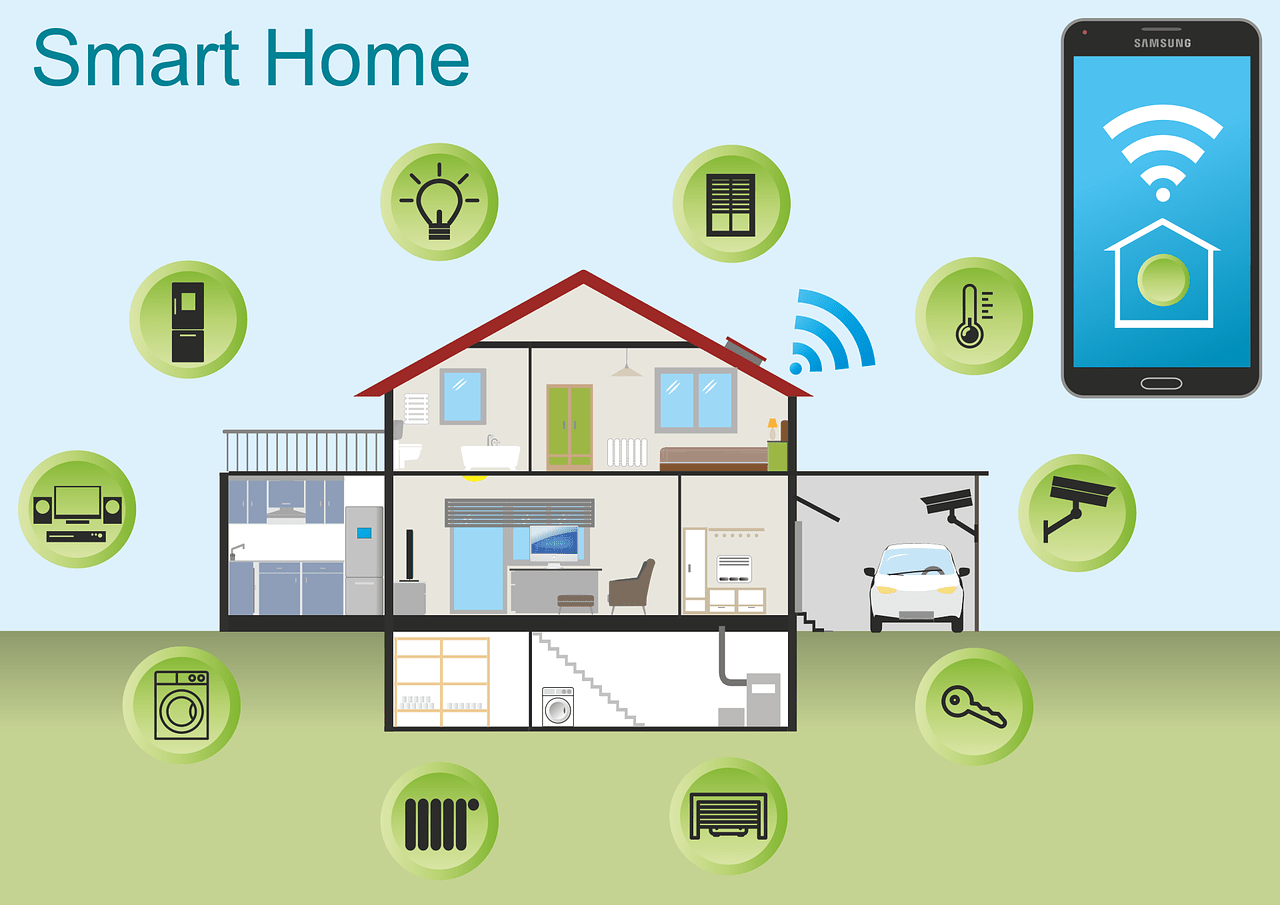

The world of home automation is finally maturing. Gone are the days of juggling multiple apps for smart bulbs, door locks, speakers, thermostats and plugs. Thanks to a rising unified standard for IoT and smart-home devices, the dream of a truly cohesive smart home is becoming real.
This standard ensures that devices from different brands can communicate reliably, offering users a seamless experience with minimal setup. That means your smart bulb from one company, smart plug from another, and smart speaker from a third can all work together — under a single control app or voice assistant. In practice, this simplifies installation, reduces compatibility headaches, and saves money when upgrading or expanding your setup.
For homeowners, renters or people on the go, this standardization translates to convenience and future-proofing. You don’t have to commit to a single ecosystem. You can add new devices gradually, mix brands, or migrate from one platform to another — without losing functionality. As more manufacturers adopt the standard, the smart-home market becomes more affordable and flexible for everyday users.
Smart homes are no longer a luxury. With standardization and interoperability, automation and comfort are becoming accessible to more people — paving the way for smarter, simpler living
