
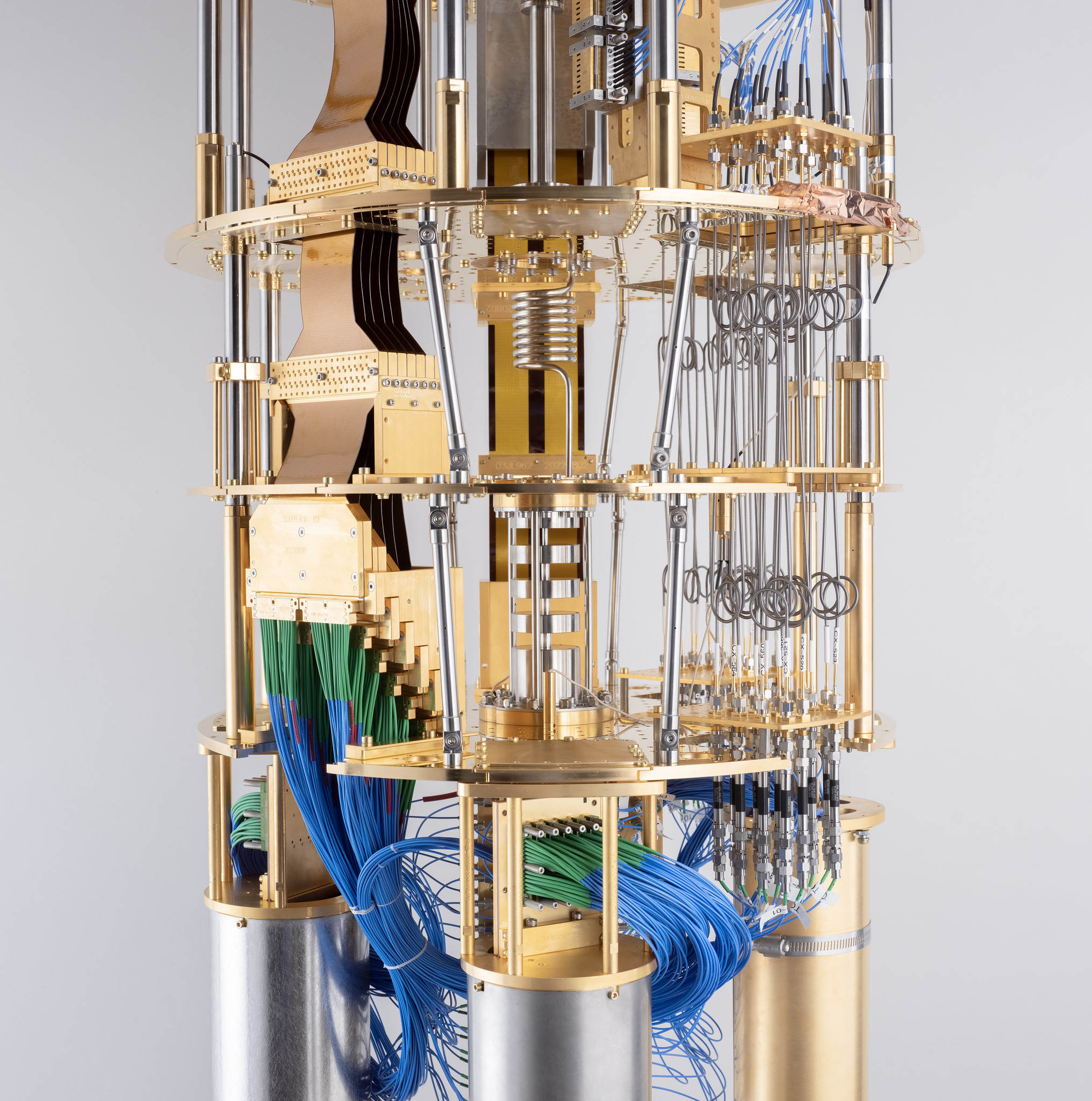

For years, quantum computing felt like science fiction — a concept reserved for research papers and laboratory prototypes. Now we are entering a transition period where quantum hardware is maturing enough for real experimentation. Companies are developing quantum cloud platforms, universities are offering quantum programming courses, and governments are investing in national research infrastructure.
Quantum computing is powerful because it processes data in qubits, enabling simultaneous calculation paths. This makes it potentially revolutionary for drug discovery, climate modelling, cryptography, supply chain optimisation and materials science — tasks classical computers struggle with.
We are still early. Quantum supremacy over consumer technology is far away, but real-world use cases are beginning to form. The smart move for researchers, tech founders and students is simple — learn early, prepare now, and be ready when the technology becomes commercially affordable.
Today quantum is niche. Tomorrow it could be normal.
